Construction Site Safety Basics: A Practical Checklist
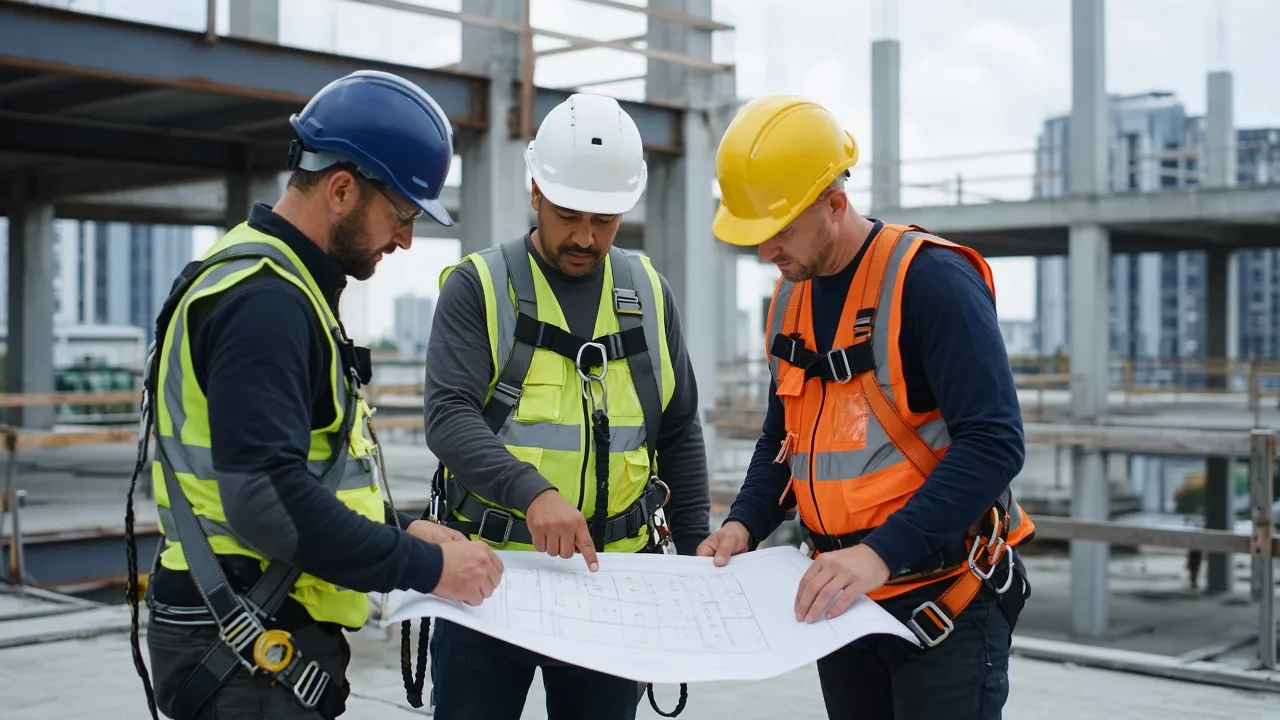
Plan Before Work Begins
- Perform a hazard assessment for each phase of work.
- Create a written site safety plan and share it with all contractors.
- Identify emergency exits, first aid locations and nearest medical facilities.
- Hold a pre-task briefing so everyone knows the plan and the risks.
Personal Protective Equipment
Hard hats, safety glasses, gloves, high-visibility clothing and sturdy footwear are baseline. Add hearing protection, respirators or face shields as hazards require. Inspect equipment before use and replace damaged items.
Fall Protection
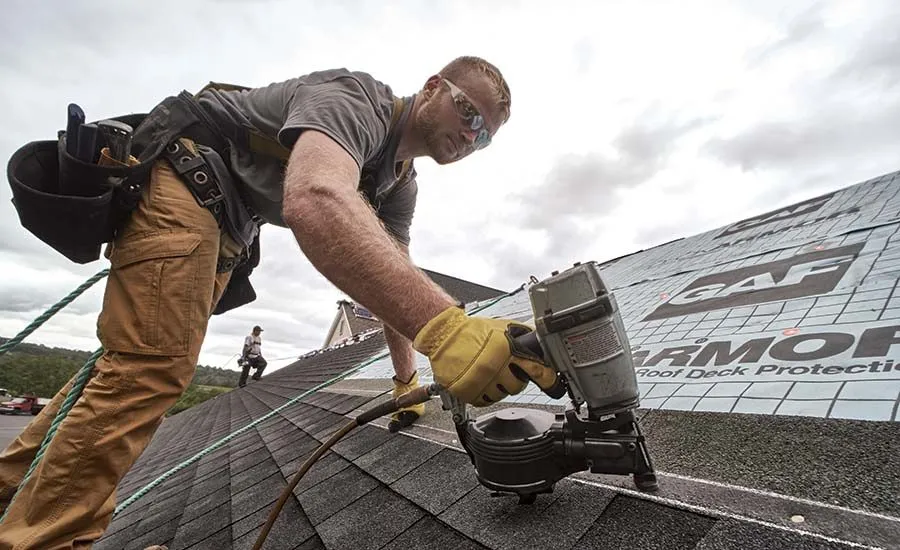
Falls are the leading cause of construction fatalities. Use guardrails, safety nets or personal fall arrest systems when working at heights as required by regulations. Inspect ladders and scaffolding before each use, set ladders on stable ground and extend them above the landing point. Cover or guard floor openings.
Housekeeping
Clear walkways, store materials neatly and remove debris and protruding nails. Good housekeeping prevents trips and fires and makes emergency response easier.
Electrical Safety
- Use ground-fault circuit interrupters on temporary power.
- Inspect cords and tools for damage.
- Locate and mark overhead and underground utilities before digging or lifting.
- Follow lockout/tagout procedures when servicing equipment.
Equipment and Vehicles
Only trained and authorized workers should operate heavy machinery. Use spotters, maintain safe distances and inspect equipment daily. Keep pedestrians separated from moving vehicles with barriers and clear traffic plans.
Heat and Environmental Hazards
California has heat illness prevention rules for outdoor workers. Provide water, shade and rest breaks, and train workers to recognize symptoms. Address dust and silica exposure with water, ventilation or proper respirators.
Training and Culture
Provide orientation for all new workers and regular toolbox talks. Encourage workers to report hazards and near misses without fear of retaliation. When leaders model safe behavior and stop work when conditions are unsafe, workers follow.
This checklist is general guidance and does not replace requirements from Cal/OSHA or OSHA, so consult current regulations and a safety professional for your site.
Documenting safety efforts also helps. Keep records of training, inspections and incident reviews, and use them to spot trends. Consistent attention and open communication are what turn a written plan into a safer day-to-day working environment for every person on site.
v>