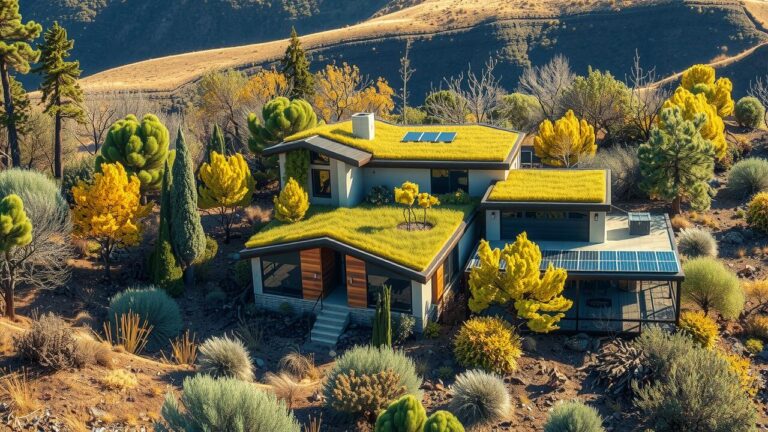
Embracing Sustainability: Green Building Practices Shaping California’s Future
Embracing Sustainability: Green Building Practices Shaping California’s Future
Water Conservation Techniques
Effective water conservation techniques are essential for sustainable building practices, particularly in regions like California where water resources can be limited. One highly effective method involves the implementation of dual plumbing systems that can separate potable and non-potable water. This allows for the use of treated greywater from sinks and showers for irrigation, ensuring landscaping remains vibrant without straining drinking water supplies. Additionally, installing low-flow fixtures in bathrooms and kitchens reduces overall water consumption, making a significant impact on sustainable living.
Another valuable practice is the use of drought-tolerant landscaping, also known as xeriscaping. This approach emphasizes the selection of native or adaptive plants that require minimal irrigation once established. By reducing reliance on conventional lawn and garden designs, homeowners can significantly decrease their outdoor water use. Utilizing mulches and efficient irrigation technologies, such as drip systems, further enhances these landscaping efforts, promoting a healthier ecosystem while conserving precious resources.
Implementing Rainwater Harvesting and Greywater Systems
The integration of rainwater harvesting systems offers a practical approach to conserving water in California’s arid climate. By capturing and storing rainwater from rooftops and surfaces, homeowners and businesses can supplement their water supply for irrigation, non-potable uses, and even indoor applications in some cases. The process typically involves installing gutters, downspouts, and storage tanks, making it an effective and sustainable solution. This not only reduces reliance on municipal water sources but also minimizes stormwater runoff, promoting better watershed health.
Greywater systems provide an innovative way to recycle water from everyday activities, such as showering and laundry, for landscape irrigation or toilet flushing. In California, these systems are becoming increasingly popular as residents seek out sustainable practices. By redirecting this “waste” water, individuals can significantly lower their water consumption and utility bills. Some local jurisdictions have adopted regulations and guidelines to facilitate the implementation of greywater systems, ensuring that homeowners can safely and effectively contribute to their community’s water conservation efforts.
Certifications for Green Buildings
Many builders and developers seek certifications that affirm their commitment to sustainable practices. One of the most recognized certification systems is LEED, which stands for Leadership in Energy and Environmental Design. This program provides a framework for healthy, efficient, and environmentally sound buildings. LEED certification is available at various levels, encouraging projects to meet higher standards for energy performance and resource conservation. Other notable standards include the Green Building Initiative’s Green Globes and the Living Building Challenge, each with unique criteria and emphasis on different sustainability aspects.
Achieving certification can significantly enhance a building’s marketability and value. It serves as a tangible indicator of a project’s adherence to environmental best practices. Potential buyers or tenants often prioritize sustainable building features, leading to increased demand in the housing and commercial markets. Additionally, these certifications often foster community pride and encourage local governments to support more sustainable development initiatives in their regions.
Overview of LEED and Other Green Building Standards
The Leadership in Energy and Environmental Design (LEED) certification has become a benchmark for evaluating the sustainability of building projects across various sectors. Developed by the U.S. Green Building Council, LEED assesses factors such as energy efficiency, water usage, and materials selection. Projects can earn different levels of certification, ranging from Certified to Platinum, based on their adherence to guidelines and performance metrics. This system has gained significant popularity among builders and developers seeking to demonstrate their commitment to environmentally responsible construction.
Beyond LEED, there are several other standards that promote green building practices. The National Green Building Standard (NGBS) focuses on residential projects, encouraging sustainable development through a set of practices and performance metrics. The Energy Star program primarily targets energy efficiency in homes and buildings, offering guidelines to reduce consumption while enhancing comfort. These standards play a crucial role in helping stakeholders benchmark their efforts and achieve their sustainability goals.
Community Impact of Sustainable Development
Sustainable development initiatives play a crucial role in enhancing local ecosystems and improving public spaces. By incorporating green spaces into urban planning, cities can foster biodiversity while creating environments that promote community well-being. Parks, green roofs, and gardens not only contribute to aesthetic appeal but also provide necessary habitats for various species. This emphasis on nature within urban settings encourages environmental stewardship and a stronger connection between residents and their surroundings.
Furthermore, sustainable development contributes to the social and economic fabric of communities. Accessible green spaces promote physical activity and mental wellness, creating healthier populations. Local economies can thrive through the promotion of green businesses and tourism related to sustainable practices. Increased community engagement in sustainability efforts can also lead to stronger social ties, as neighbors collaborate on projects and initiatives that enhance the overall quality of life in their neighborhoods.
Enhancing Local Ecosystems and Public Spaces
Sustainable development plays a critical role in revitalizing local ecosystems, focusing on the integration of green spaces within urban settings. Incorporating native plants in landscaping enhances biodiversity while providing habitats for various species. Projects often include community gardens and green roofs, which not only contribute to food security but also improve air quality and mitigate urban heat effects. These interventions create vibrant public areas where residents can connect with nature, fostering community well-being.
In addition to ecological benefits, enhancing public spaces through sustainable practices encourages social interaction and civic engagement. Parks, trails, and recreational areas designed with sustainability in mind become focal points for community gatherings and activities. These spaces offer educational opportunities about local ecosystems, helping residents understand their role in maintaining the environment. The presence of green areas also promotes healthier lifestyles, encouraging outdoor activities and reducing reliance on vehicles.
Financial Incentives for Green Building
California offers a range of financial incentives to encourage the adoption of green building practices. Grants are available for projects that demonstrate significant environmental benefits. Tax credits can reduce the overall cost of construction or renovations focused on sustainability. These financial aids are designed to make eco-friendly choices more accessible, particularly for homeowners and businesses looking to reduce their carbon footprint.
In addition to grants and tax credits, various rebates are provided for energy-efficient appliances and systems. Programs often target specific upgrades, such as solar installations or energy-efficient HVAC systems, ensuring that builders and homeowners receive support for their sustainable investments. By lowering initial costs, these incentives play a crucial role in promoting an environmentally conscious approach to construction and renovation throughout the state.
Grants, Tax Credits, and Rebates Available in California
California offers a variety of financial incentives to encourage the construction and retrofitting of green buildings. Grants are available through state-funded programs aimed at promoting energy efficiency and sustainable practices. Local governments may also provide targeted grants to support specific initiatives, such as solar panel installations or energy-efficient upgrades.
Tax credits serve as another incentive, allowing property owners to offset their tax liabilities based on investments in sustainable technologies. Rebates can be obtained for various environmentally friendly improvements, including water-saving fixtures or energy-efficient appliances. By leveraging these financial opportunities, builders and homeowners can reduce the initial costs associated with green developments while contributing to California’s sustainability goals.
FAQS
What are some effective water conservation techniques used in green building?
Effective water conservation techniques in green building include implementing rainwater harvesting systems, using greywater systems for irrigation, and installing low-flow fixtures to reduce water consumption.
How do rainwater harvesting and greywater systems work?
Rainwater harvesting involves collecting and storing rainwater for reuse, while greywater systems recycle water from sinks, showers, and laundry for irrigation and other non-potable uses, helping to reduce overall water demand.
What are LEED certifications, and why are they important?
LEED (Leadership in Energy and Environmental Design) certifications are recognized green building standards that promote sustainable building practices. They are important because they provide a framework for developers and builders to create environmentally responsible structures, leading to reduced environmental impact and improved occupant health.
How does sustainable development affect local communities?
Sustainable development enhances local ecosystems by promoting biodiversity, improving public spaces, and creating green areas that foster community interaction. These projects can also stimulate local economies and improve residents’ quality of life.
What financial incentives are available for green building projects in California?
California offers various financial incentives for green building projects, including grants, tax credits, and rebates. These programs help offset the costs of implementing sustainable practices and encourage more builders and homeowners to adopt green technologies.